
- 23 June 2026
- rabbits

As temperatures drop, it’s important to make sure your rabbits are safe, warm, and comfortable throughout the winter months. Rabbits are hardy animals, but cold weather, damp conditions, and draughts can put their health at risk if they’re not properly cared for.
Here’s everything you need to know about keeping rabbits warm in winter, whether they live outdoors or inside.
Yes, healthy rabbits can live outdoors during winter, as long as they are well protected from wind, rain, and damp conditions. In fact, rabbits often cope better with cold temperatures than sudden changes in warmth.
The key is preparation, insulation, and the right diet.
A warm, dry living space is essential for winter rabbit care.
Top tips:
Never completely seal a hutch — ventilation is important to prevent damp and respiratory issues.

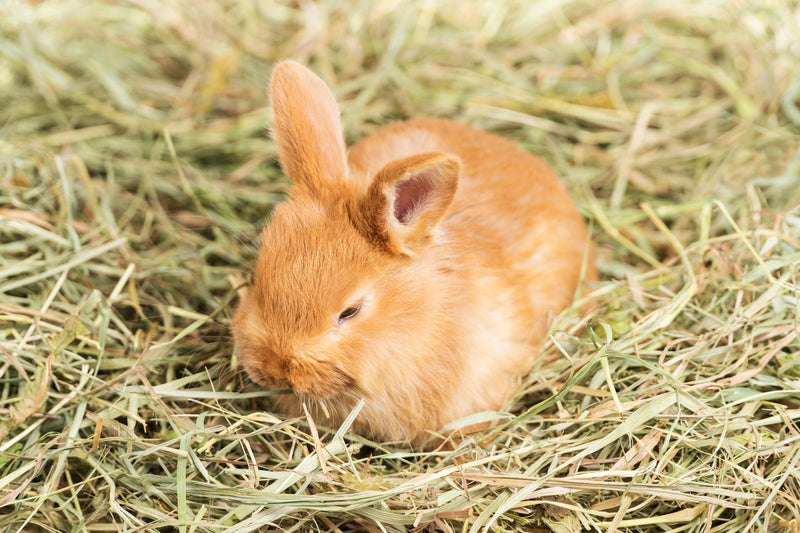
One of the simplest and most effective ways to keep rabbits warm is plenty of fresh hay.
Use a thick layer of clean, dry hay for bedding and top it up daily. High-quality Timothy hay is ideal, as it’s warm, dry, and nutritionally balanced.
Tip: Rabbits will often sleep under the hay, this is completely normal and helps them stay warm.
Rabbits burn more energy in cold weather, so they may eat more during winter.
Good nutrition plays a big role in helping rabbits maintain body temperature.
Frozen water is a common winter issue.
Solutions:
Hydration is just as important in winter as it is in summer.

Keep Rabbits Together
Rabbits are social animals, and bonded pairs or groups help keep each other warm by huddling together. Never separate bonded rabbits during winter unless absolutely necessary.
Check Rabbits Daily
Cold weather can mask illness, so daily checks are vital.
Watch for:
If a rabbit seems unwell, move them somewhere warm and contact a vet promptly.
Rabbits should be brought inside if:
If moving rabbits indoors, do it gradually to avoid temperature shock.
A constant supply of high-quality, dust-free hay is one of the most important parts of winter rabbit care. Hay provides warmth, comfort, and essential nutrition — helping rabbits stay healthy all season long.
Explore our premium Timothy hay, ideal for rabbits and small pets throughout winter.